Transform Your Fish Retail Business With SEO Techniques
- Bách Nguyễn
- Aug 20, 2025
- 5 min read

Updated: Oct 18, 2025
In today's digital world, having a strong online presence is crucial for any business, including fish retail. If you want to attract more customers and boost sales, mastering SEO (Search Engine Optimization) is essential. This blog post will guide you through effective SEO techniques tailored specifically for your fish retail business.
By the end of this post, you will have a clear understanding of how to enhance your website's visibility, attract more visitors, and ultimately increase your sales.
Understanding SEO Basics
Before diving into specific techniques, it is important to understand what SEO is. SEO is the process of optimizing your website to rank higher in search engine results. When potential customers search for fish or seafood products, you want your business to appear at the top of the list.
Here are some key components of SEO:
Keywords: These are the terms people use when searching online. Identifying the right keywords for your business is crucial.
On-page SEO: This involves optimizing individual pages on your website. It includes using keywords, creating quality content, and improving user experience.
Off-page SEO: This refers to actions taken outside your website to improve its ranking. This includes backlinks and social media engagement.
Technical SEO: This focuses on the backend of your website, ensuring it is easy for search engines to crawl and index.
Understanding these components will help you create a solid foundation for your SEO strategy.
Keyword Research For Your Fish Retail Business
Keyword research is the first step in any SEO strategy. It helps you identify what your potential customers are searching for.
Here are some steps to conduct effective keyword research:
Brainstorm: Start by listing down words and phrases related to your fish retail business. Think about what your customers might type into a search engine.
Use Keyword Tools: Tools like Google Keyword Planner, Ubersuggest, or SEMrush can help you find popular keywords. Look for keywords with high search volume and low competition.
Analyze Competitors: Check what keywords your competitors are using. This can give you insights into what works in your industry.
Long-Tail Keywords: Focus on long-tail keywords, which are more specific phrases. For example, instead of just "fish," use "fresh salmon delivery in [Your City]." These keywords often have less competition and can attract more targeted traffic.
By using the right keywords, you can improve your chances of ranking higher in search results.
Optimizing Your Website Content
Once you have your keywords, it is time to optimize your website content. Here are some tips to help you create SEO-friendly content:
Use Keywords Naturally: Incorporate your keywords into your content, but do it naturally. Avoid keyword stuffing, as it can harm your ranking.
Create Quality Content: Focus on providing valuable information to your customers. Write blog posts about fish recipes, care tips, or the benefits of eating seafood.
Use Headings and Subheadings: Break your content into sections using headings and subheadings. This makes it easier for readers to scan your content and helps search engines understand your structure.
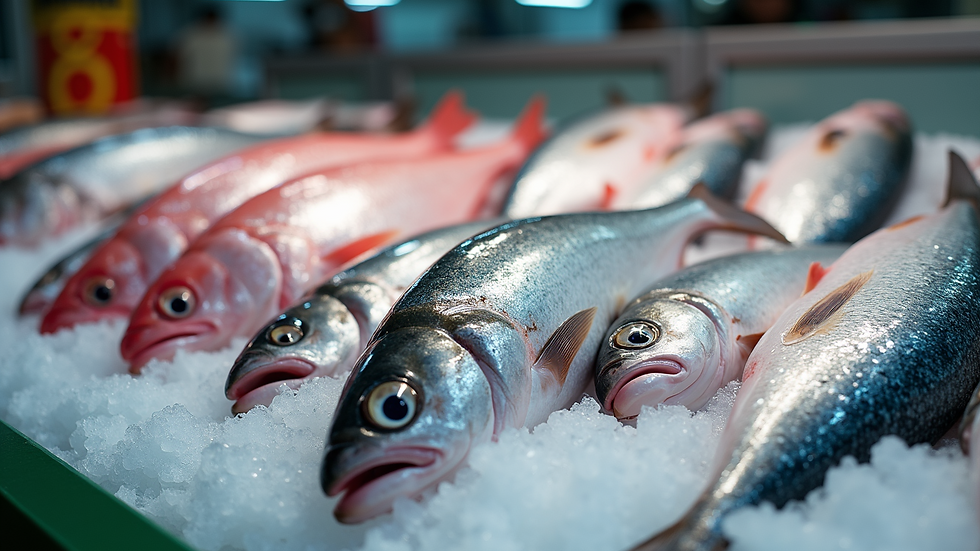
Include Images: Use high-quality images of your products. Make sure to optimize them by using descriptive file names and alt text.
Internal Linking: Link to other pages on your website. This helps keep visitors on your site longer and improves your SEO.
By optimizing your content, you can provide a better experience for your visitors and improve your search rankings.
Enhancing User Experience
User experience (UX) plays a significant role in SEO. If visitors find your website difficult to navigate, they are likely to leave quickly. Here are some ways to enhance UX:
Mobile Optimization: Ensure your website is mobile-friendly. Many customers will browse on their phones, so a responsive design is essential.
Fast Loading Speed: A slow website can frustrate users. Use tools like Google PageSpeed Insights to check your loading speed and make necessary improvements.
Clear Navigation: Make it easy for visitors to find what they are looking for. Use clear menus and categories to guide them.
Contact Information: Display your contact information prominently. This builds trust and makes it easy for customers to reach you.
By focusing on user experience, you can keep visitors on your site longer and reduce bounce rates.
Building Backlinks
Backlinks are links from other websites to yours. They are a crucial part of off-page SEO and can significantly impact your search rankings. Here are some strategies to build backlinks for your fish retail business:
Guest Blogging: Write guest posts for other blogs in your industry. Include a link back to your website in your author bio.
Collaborate with Influencers: Partner with local food bloggers or influencers. They can help promote your products and link to your website.
Local Directories: List your business in local directories. This not only helps with backlinks but also improves your local SEO.
Engage on Social Media: Share your content on social media platforms. This can drive traffic to your website and increase the chances of getting backlinks.
Building a strong backlink profile can improve your website's authority and search rankings.
Leveraging Local SEO
For a fish retail business, local SEO is particularly important. Most customers will search for fish retailers in their area. Here are some tips to enhance your local SEO:
Google My Business: Create and optimize your Google My Business listing. Include your address, phone number, and business hours. Encourage customers to leave reviews.
Local Keywords: Use local keywords in your content. For example, "best fish market in [Your City]."
Local Content: Create content that is relevant to your local audience. Write about local seafood events or partnerships with local fishermen.
Citations: Ensure your business information is consistent across all online platforms. This includes your website, social media, and local directories.
By focusing on local SEO, you can attract more customers from your area.
Monitoring And Analyzing Your SEO Efforts
SEO is not a one-time task; it requires ongoing monitoring and analysis. Here are some tools to help you track your SEO performance:
Google Analytics: This tool helps you track website traffic, user behavior, and conversion rates.
Google Search Console: Use this tool to monitor your website's performance in search results. It provides insights into keywords, click-through rates, and indexing issues.
SEO Tools: Tools like Ahrefs or Moz can help you analyze your backlinks, keyword rankings, and overall SEO health.
Regularly reviewing your SEO efforts will help you identify what is working and what needs improvement.
Staying Updated With SEO Trends
SEO is constantly evolving. To stay ahead of the competition, it is important to keep up with the latest trends and updates. Here are some ways to stay informed:
Follow SEO Blogs: Subscribe to reputable SEO blogs like Moz, Search Engine Journal, or Neil Patel's blog.
Join Online Communities: Participate in online forums or social media groups focused on SEO.
Attend Webinars and Conferences: Look for webinars or conferences related to SEO. These events can provide valuable insights and networking opportunities.
By staying updated, you can adapt your strategies and maintain a competitive edge.
Final Thoughts
Transforming your fish retail business with SEO techniques is not just about improving your website's ranking. It is about creating a better experience for your customers and building a strong online presence.
By implementing the strategies discussed in this post, you can attract more visitors, increase sales, and grow your business. Remember, SEO is a long-term investment, so be patient and consistent in your efforts.
With dedication and the right techniques, your fish retail business can thrive in the digital landscape.


So good
nice